Lago Wines
Explore the Ohio Wine Trail & Ashtabula County
Grand River Valley
Home to the Grand River Valley, Ohio’s Wine Country, Ashtabula County boasts over 26 miles of beautiful Lake Erie shoreline, 4 scenic rivers, 2 state parks and excellent steelhead, walleye and perch fishing.
Among the valley’s most visited attractions are:
- 30+ local wineries
- Geneva on the Lake – 1.2M+ tourists annually
- Historical Ashtabula Harbor District
- Home to SPIRE Sports Academy
- Covered Bridge Capital with 19 bridges in the area
The Grand River Valley Wine region, formed by glaciers thousands of years ago, benefits from a climate moderated by the thermal effects of Lake Erie. This micro-climate is characterized by warm, sunny days and cool nights, making it one of the best viticultural areas in Ohio.
The region is renowned for its scenic beauty, fertile agricultural land, and vibrant community life. The landscape of the Grand River Valley is characterized by rolling hills, lush forests, and picturesque vineyards. The Grand River itself meanders through the countryside, creating opportunities for boating, fishing, and scenic drives along its banks.
Vineyards and Wine Country
One of the most celebrated aspects of the Grand River Valley is its burgeoning wine industry. The region is home to numerous wineries and vineyards, which benefit from the valley’s microclimate that is conducive to grape growing. Varieties such as Riesling, Chardonnay, Pinot Noir, and Cabernet Franc thrive here, producing award-winning wines that have gained national recognition. Wine enthusiasts can embark on tours of the vineyards, sample a wide array of wines, and learn about the winemaking process from local experts.
Agriculture and Farming
Apart from grapes, the Grand River Valley supports a diverse agricultural sector. Farms dot the landscape, cultivating crops such as apples, peaches, cherries, and various vegetables. The rich soil and favorable climate contribute to high-quality produce, which is often sold at local markets and used in the region’s farm-to-table restaurants.
Outdoor Recreation
For outdoor enthusiasts, the Grand River Valley offers ample opportunities for recreation. Hiking trails wind through state parks and nature reserves, providing scenic vistas and glimpses of wildlife. Birdwatching is popular, especially during migratory seasons when the valley serves as a corridor for numerous bird species.
Historic and Cultural Heritage
The Grand River Valley has a rich historical and cultural heritage. Historic towns and villages along its route showcase charming architecture, local museums, and events that celebrate the region’s past. Visitors can explore quaint shops, art galleries, and attend festivals that highlight the community spirit and traditions of the area.
Community and Tourism
The Grand River Valley is not only a place of natural beauty and agricultural abundance but also a close-knit community that welcomes visitors with warmth and hospitality. Tourism plays a significant role in the local economy, with accommodations ranging from cozy bed-and-breakfasts to modern hotels. Local events such as wine tastings, music festivals, and seasonal celebrations attract tourists throughout the year, contributing to the valley’s vibrant atmosphere.
In conclusion, the Grand River Valley in Ohio is a treasure trove of natural wonders, agricultural bounty, and cultural experiences. Whether you’re savoring a glass of local wine, enjoying the area’s culinary delights, exploring scenic trails, or discovering the region’s history, this valley offers a memorable getaway for travelers seeking to immerse themselves in the beauty and charm of rural Ohio.
Wines of the Grand River Valley
Wine Quality and Recognition
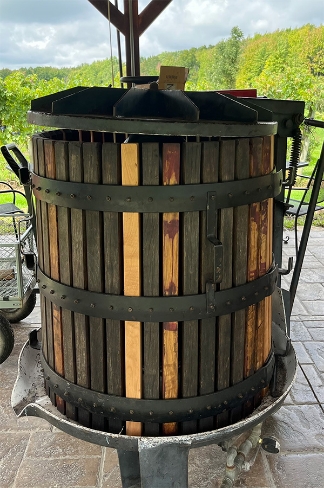
The wines produced in the Grand River Valley have gained recognition both locally and nationally for their quality and distinct characteristics. The cool climate influences the grapes’ acidity levels, contributing to wines with crispness and balance. Wineries in the region often offer a range of wines from dry to sweet, catering to various preferences and showcasing the diversity of styles that can be achieved in this unique terroir.
Microclimate
The Grand River Valley benefits from a microclimate created by the presence of Lake Erie to the north. The lake moderates temperatures, preventing extreme cold in winter and excessive heat in summer, which helps extend the growing season, allowing grapes to ripen fully and develop complex flavors.
The proximity to Lake Erie also helps mitigate the risk of spring frost damage, as the lake’s thermal mass delays the warming of the air, protecting budding grapevines from late frosts that can harm young shoots.
The region receives adequate rainfall throughout the year, which is essential for grapevine health and growth. Well-drained soils in the valley floor and on gently sloping hillsides prevent waterlogging, ensuring that grapevines do not suffer from excessive moisture.
Grape Varieties
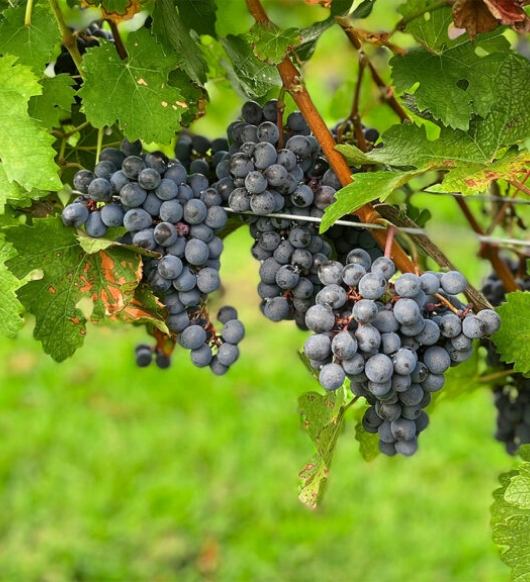
The Grand River Valley is particularly known for its success with a variety of grape cultivars:
Cold-Hardy Hybrids: Varieties such as Vidal Blanc, Seyval Blanc, and Chambourcin are well-suited to the region’s climate. These hybrids are bred to withstand colder temperatures while still producing quality fruit.
Vinifera Varieties: With advancements in vineyard management and selection of suitable sites, some vinifera varieties like Riesling, Chardonnay, Pinot Noir, and Cabernet Franc are also cultivated successfully in the Grand River Valley.
Viticultural Practices
Local winemakers and vineyard managers employ modern viticultural practices to optimize grape quality and yield. Techniques such as canopy management, irrigation where necessary, and disease prevention are carefully implemented to ensure healthy vines and high-quality fruit.
In conclusion, the Grand River Valley in Ohio benefits from a favorable wine growing climate characterized by its microclimate, adequate heat accumulation, and moderated temperatures from Lake Erie. These factors together create an ideal environment for cultivating a variety of grape cultivars, resulting in wines that reflect the region’s terroir and garner appreciation from wine enthusiasts.